
Source: Melissa Kaye
Wisconsin Rapids approves tech to reduce train delays and increase safety
The WI Rapids City Council awarded the project to LinqThingz to reduce delays and increase safety at 14 rail crossings.

Oct 23, 2025, 12:17 PM CST


Share
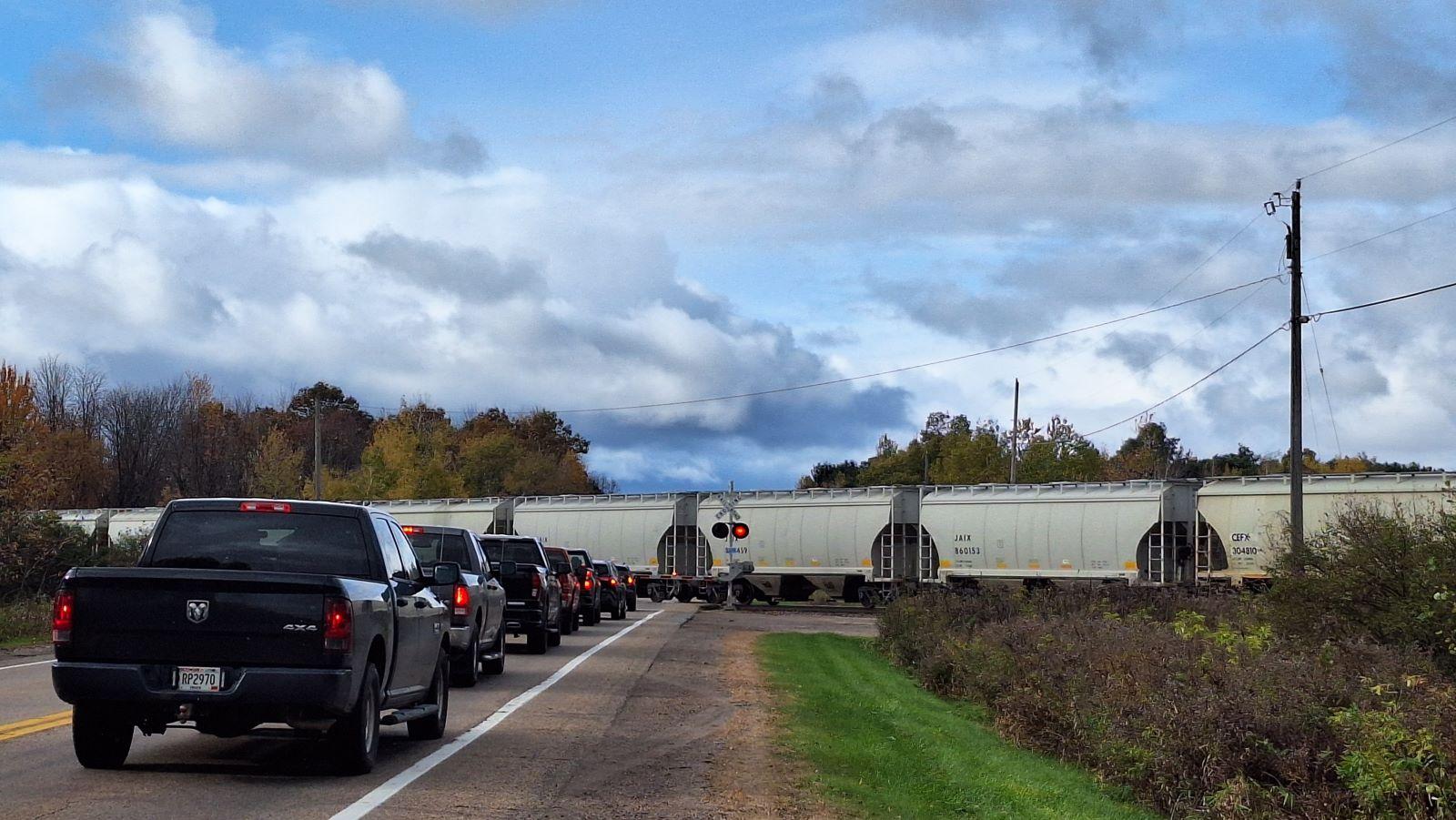
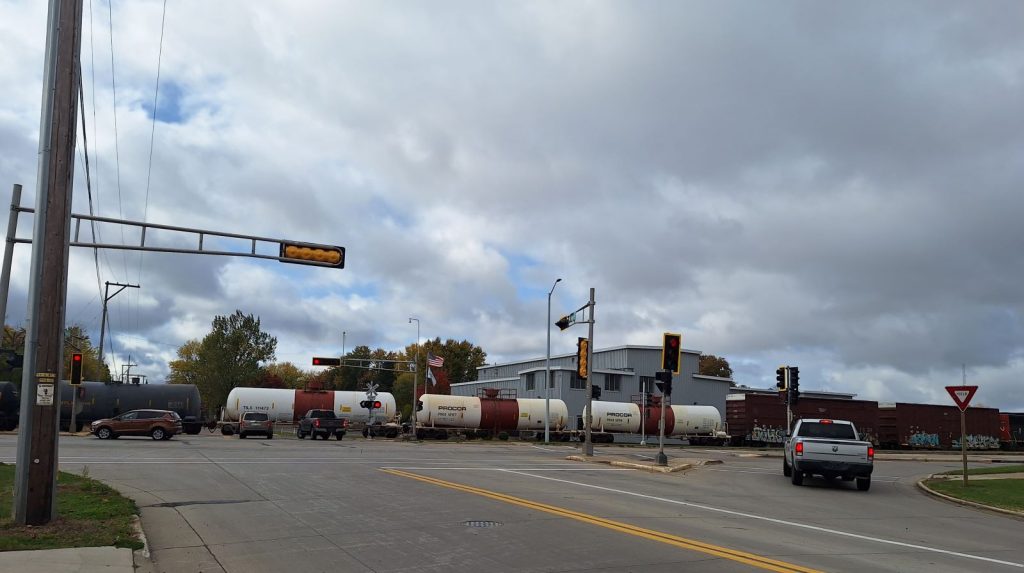
WISCONSIN RAPIDS, Wis. (WFHR / WIRI) – When driving through Wisconsin Rapids, it’s a common sight to see vehicles waiting at rail crossings blocked by trains.
Sometimes these delays can last too long for the patience or schedules of the drivers waiting. This can lead to some unsafe practices. The City Council has been grappling with the concern of delays and safety for several years. One solution they’ve now decided on is a Predictive Mobility System, which will be installed at 14 crossings throughout the city. It passed the Council on a 5 to 3 vote.
LinqThingz
Jon Cohn is the Customer Success Director for Public Safety at LinqThingz. He spoke during the Common Council meeting on Monday, Oct. 21. While the company was preparing the proposal for the city, LinqTingz conducted a study with 1,000 respondents in Wisconsin Rapids.
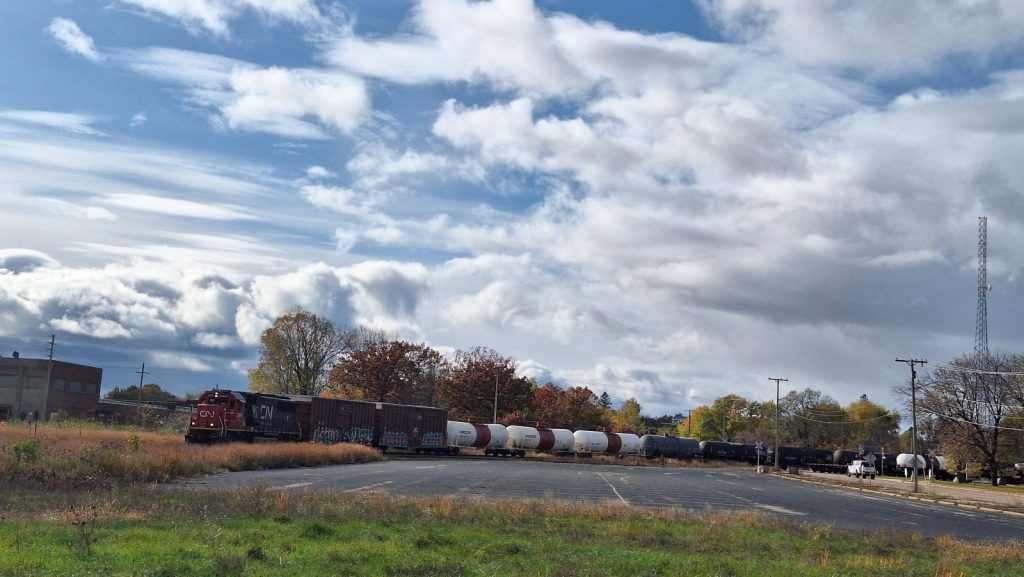
“ What was shocking to us is 95% of the public said that they did something really unsafe, when they were approaching a crossing that was about to be occupied or occupied,” said Cohn.
LinqThingz Predictive Mobility System is designed to enhance safety, efficiency, and real-time situational awareness at rail crossings. For the average driver, this means the option to have the LinqThingz app on your phone which will give you voice notifications when you’re approaching a crossing that is or will soon be blocked. There will also be message signs and blinker signs to notify drivers as they’re approaching crossings so they can choose to reroute or wait.
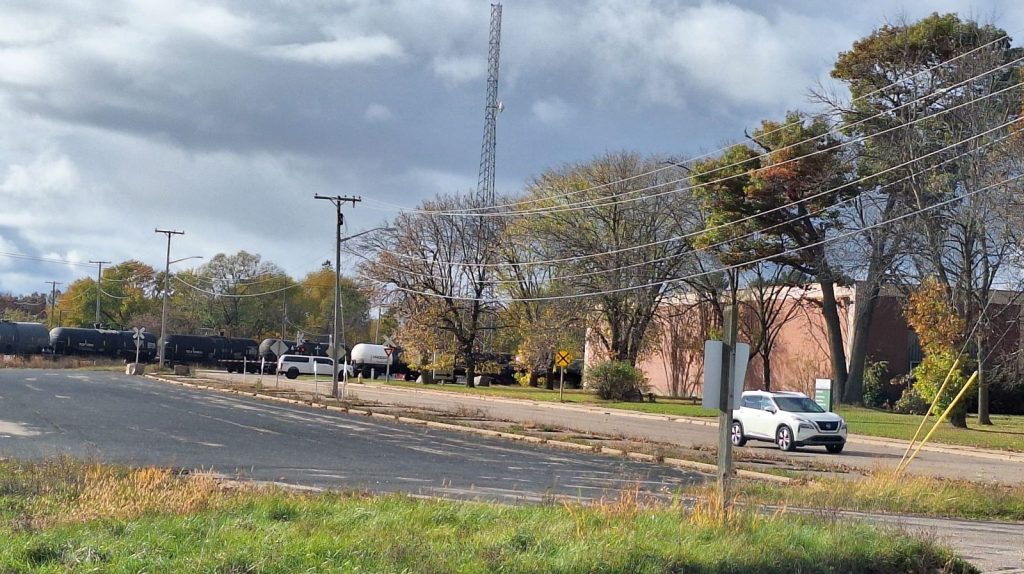
Cohn explained how the signage that would be posted near these 14 crossings would help drivers even if they didn’t have the app on their phone.
“ A driver doesn’t have to approach the crossing to realize that it’s occupied or about to be occupied,” said Cohn. “The signs are placed back, so they can make a decision, and that’s where the predictive element comes in because a train doesn’t have to be there,” continued Cohn. “It is predicted to be there by the time they travel from the sign to the crossing.”
Emergency responders
What drove CEO Kurt Brandt to create LinqThingz was a personal experience. His mother was delayed in transportation to the hospital by a train. The predictive mobility technology will enable first responders to find the most direct route to an incident when certain crossings are blocked.
Police Chief Hostens told the City Council he didn’t see the police department having as much benefit from the systems as others may.
“ Our officers have a lot to deal with in the car when they’re responding to calls,” said Hostens. “They can see when a train is coming and the crossing is blocked and they’re trained how to get around those things.”
Fire Chief Ben Goodreau said he sees value for the Fire Department.
”Based on what Jon and Kurt were showing, me and my staff, I feel like there was some use to this on the first responder aspect,” said Goodreau. “A heads up display could easily tell us where a crossing is jeopardized or, based on some of the technology that they have, kind of where that train is headed.”
Next steps for the City
City Engineer Joe Eichsteadt, says the next step is to formalize the award to LinqThingz. The DOT has given the green light and with the council voting approval, Eichsteadt can work with LinqTingz to get the contract signed and schedule the project. It was supposed to happen this fall, however with the delay in coming before the City Council, this puts the project a few weeks behind from what was expected.
“It doesn’t sound like the installation is gonna take all that long and once it’s installed, it’ll be up and running,” said Eichsteadt. “And then of course there’ll be some public information provided, you know, on how to access the app and use the app. And what do the signs mean and how does this all work?”
Which crossings will have sensors?
The sensors will be at 14 railroad crossings throughout Wisconsin Rapids:
- 5th Avenue North
- Bonow Avenue
- Two locations on 17th Ave N (north of Engel Rd)
- 1st Street North
- Engel Road
- Industrial Street
- 25th Avenue North
- Dura Beauty Lane
- High Street
- West Grand Avenue
- Chase Street
- 17th Avenue South
- Gaynor Avenue
Cost and implementation
The City’s Engineering Department applied for and received funding through the DOT’s Carbon Reduction Program. This grant is an 80/20 cost share of $548,000. The city is responsible for at least 20 percent, which is $109,600. The proposal from LinqThingz to provide the Predictive Mobility technology is $510,000. The City Council approved authorization for spending capped at $548,000 to allow some flexibility for variable costs.
The system will be operational immediately after installation. This will take anywhere from one to three months once the project is underway. Predictive information will begin after a two-week training period for the sensors. LinqThingz will provide continuous support for a period of three years.
You can view the proposal here.

Melissa Kaye is the News Director for WFHR and WIRI in Wisconsin Rapids. Email her at [email protected].
Want More Local News?

Civic Media
Civic Media Inc.
The Civic Media App
Put us in your pocket.